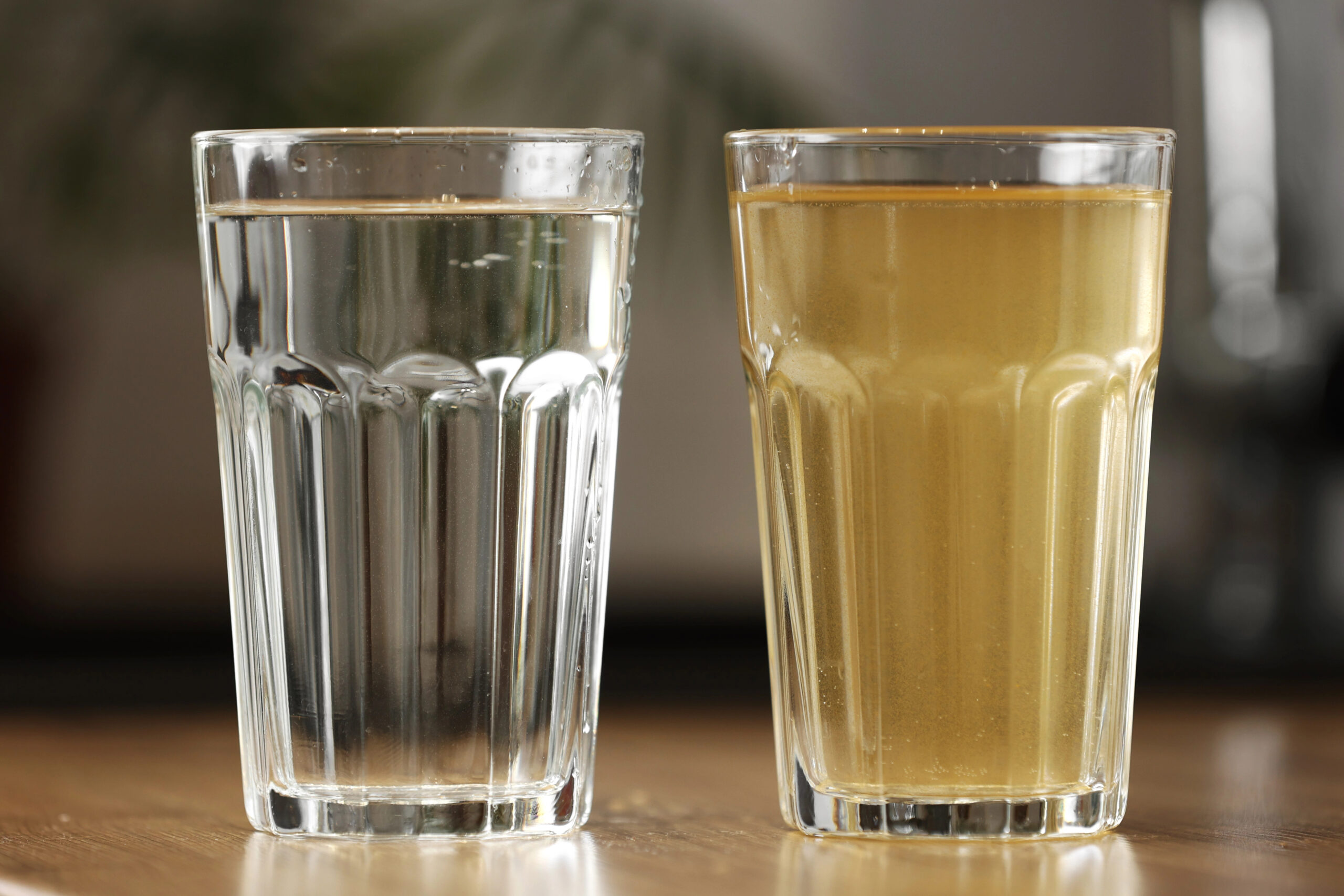
Sealed bottled water does not go bad on a set date. The CDC notes that bottlers often print a “sell by” date about two years after bottling, and that this date is for stock rotation and does not mean the water’s quality drops after it.
What does matter is how the jugs are stored and how long one sits open on your cooler. Here is what the official guidance says, and how to apply it to the 5-gallon and 3-gallon bottles we deliver.
What the date on a water bottle means
In its emergency water supply guide for hospitals and other facilities, the CDC says U.S. bottled water manufacturers often mark a “sell by” date two years after bottling. That date “serves as a stock-keeping number and for stock rotation purposes in supermarkets,” and does not imply that the product is compromised or that the water deteriorates afterward.
The CDC’s consumer advice is simpler: observe the expiration date on store-bought water. Both points can be true at once. The date is not a spoilage clock, but it is the easiest way to keep your oldest bottles moving first.
One distinction is worth knowing: the same CDC guide says that tap water you put in your own containers does not have an indefinite shelf life. Commercially bottled, sealed water and water you bottled yourself are treated differently.
How to store 5-gallon water jugs
The CDC’s storage recommendations line up with what we tell our customers. Keep sealed jugs:
- Cool. The CDC suggests a storage temperature of 50°F to 70°F.
- Out of direct sunlight. A closet or pantry beats a sunny window or a porch.
- Away from chemicals. The CDC specifically says to keep stored water away from toxic substances such as gasoline and pesticides, so the garage shelf next to the paint thinner is the wrong spot.
- Somewhere it won’t freeze. The CDC facility guide lists a location not subject to freezing.
- Indoors. Our own FAQ says to store bottles in a cool, dry place away from sunlight and to avoid outdoor storage.
If you keep several full bottles, the same CDC guide notes that stored water containers should be stacked no higher than the manufacturer recommends, and that the floor has to be sound enough to carry the weight. Five gallons of water is heavy, so a few jugs add up quickly.
Once a jug is on the cooler
A sealed jug and a jug that has been opened and set on a cooler are not the same thing. Once the seal is broken, the water is only as clean as the cooler it is feeding. We could not find an official source that puts a number of days on an opened bottle, so we are not going to invent one.
What we can say is that the cooler is the part you control. Routine cleaning is the customer’s responsibility under our FAQ, and our water cooler set-up and cleaning page walks through cleaning both top-load and bottom-load units step by step, including how to handle the hot tank. If water from the cooler ever tastes or smells off, stop drinking it, clean the cooler and switch to a fresh bottle.
A worked example: rotating a small stock
Say you take four bottles a month and like to keep one spare. When a delivery arrives:
- Put the new bottles at the back of your storage spot.
- Move the spare you already had to the front, so it is the next one on the cooler.
- Check the printed date when you load a bottle. If you find an old one, use it next.
- Leave your empties out the night before your next delivery, as our FAQ asks, so the driver can pick them up.
That simple first-in, first-out habit means no bottle sits in a closet for months, and you never have to wonder how old the water on your cooler is.
Frequently asked questions
Can I drink bottled water after the date on the label?
According to the CDC’s facility guide, the two-year “sell by” date that bottlers often print is a stock-rotation marker and does not mean the water has deteriorated. The CDC’s general advice is still to observe the expiration date, so the easy approach is to rotate your stock and use older bottles first.
Is it OK to keep water jugs in the garage?
Only if the spot is cool, out of the sun, won’t freeze, and is away from chemicals. The CDC specifically warns against storing water near gasoline or pesticides, which is exactly what many garages hold. Our own guidance is to avoid outdoor storage altogether.
How long should I keep an emergency supply?
For an emergency supply, the CDC recommends at least 1 gallon of water per person per day for 3 days. Its facility guide also notes that the American Red Cross and FEMA recommend changing stored bottled water every 6 months, so rotating it into everyday use is a good way to keep it fresh.
Do I need to clean the cooler between bottles?
Not every time you swap a bottle, but coolers do need regular cleaning. Follow the steps on our cooler cleaning page, and contact us if a rental unit leaks or stops working.
Want water you never have to stockpile? Set up a delivery schedule here, choosing the frequency that matches how fast you use it.
Sources